How Imaging Helps Personalize Neurological Treatment Plans blog image

How Imaging Helps Personalize Neurological Treatment Plans

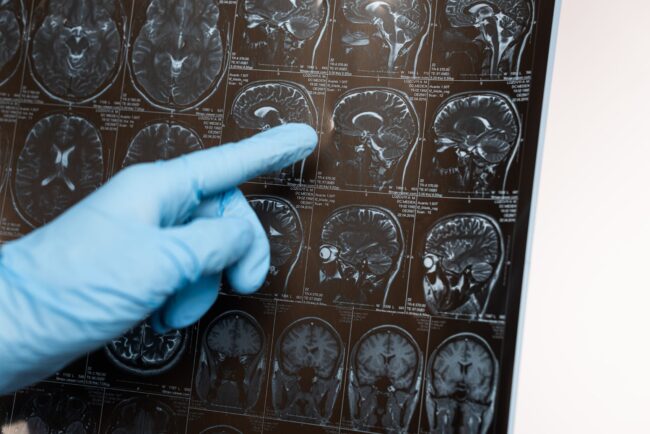
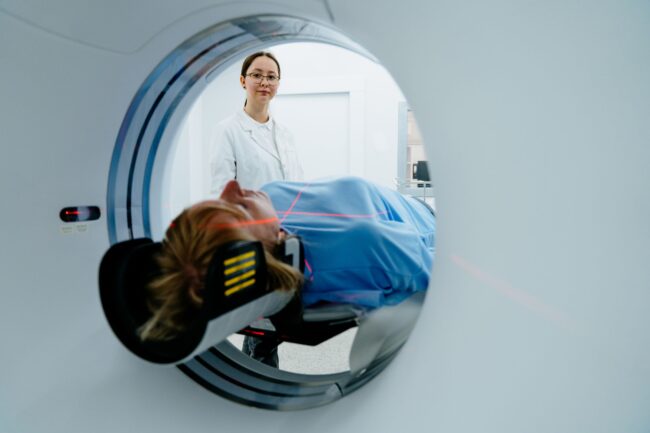
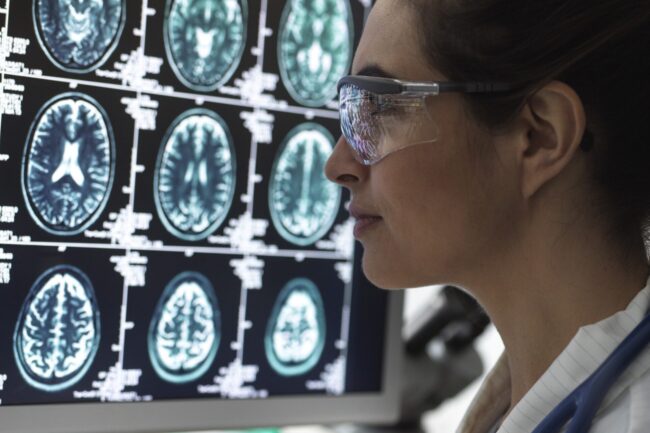
Neurological disorders affect every patient differently, even when they share the same diagnosis. Conditions such as epilepsy, Parkinson’s disease, multiple sclerosis, brain tumors, and chronic headaches can vary significantly in severity, progression, and the areas of the brain they impact.   That is why personalized treatment has become an increasingly important goal in modern neurology. Advanced imaging…

How Imaging Helps Personalize Neurological Treatment Plans blog image

How Imaging Helps fMRI-Guided TMS Therapy

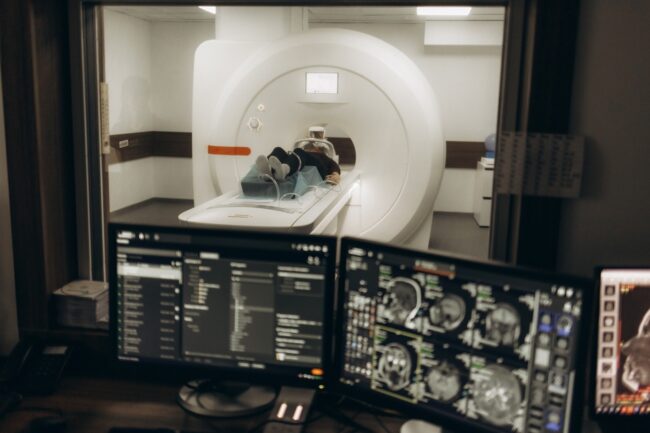
Functional magnetic resonance imaging (fMRI) has become an important tool for understanding how different areas of the brain communicate. Beyond helping diagnose neurological conditions, fMRI is also playing a growing role in guiding advanced therapies such as transcranial magnetic stimulation (TMS).  By providing a detailed map of brain activity, imaging can help personalize treatment plans and improve…

The Role of High-Resolution Imaging in Early Disease Detection

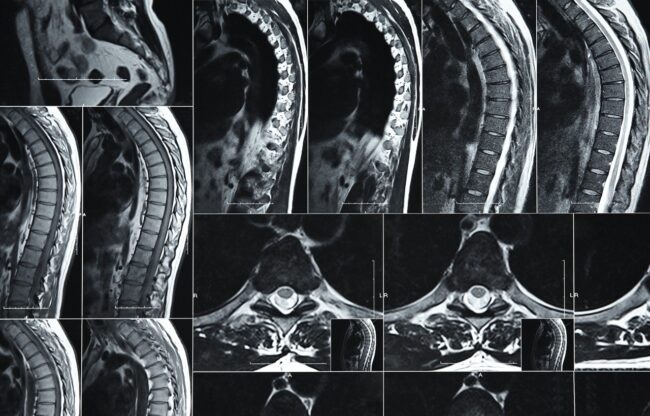
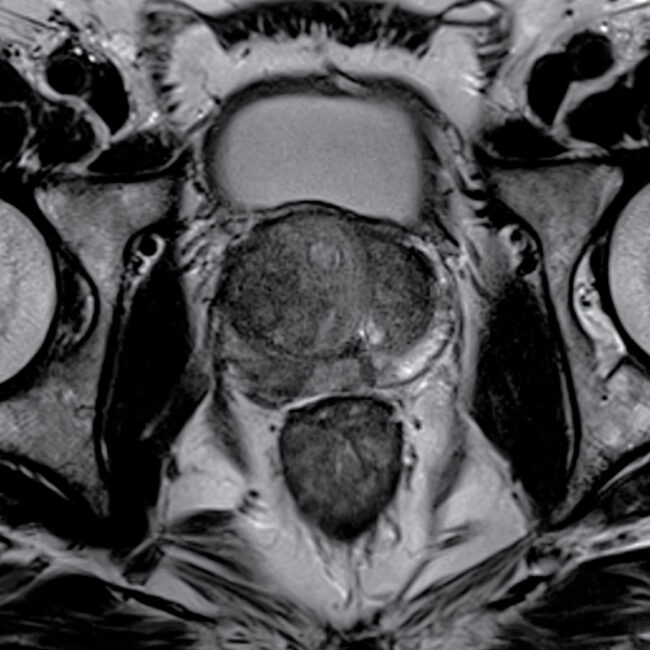
Modern medicine has made remarkable advances in diagnosing disease earlier than ever before, and high-resolution medical imaging plays a major role in that progress. Technologies such as advanced MRI scans allow physicians to visualize structures inside the body with exceptional detail, helping identify abnormalities before symptoms become severe or irreversible damage occurs.   Early detection can lead to earlier treatment,…

Diagnoses Typically Found by MRI Scans

Why Image Clarity Matters More Than Ever in Modern Diagnostics

Medical imaging has become one of the most important tools in modern healthcare. Physicians rely on MRI scans and other advanced imaging technologies to diagnose injuries, detect disease, monitor treatment progress, and guide clinical decision-making. As medicine becomes increasingly precise and personalized, image clarity has never been more important.  High-quality images provide radiologists and physicians with the detailed information…

Why Standard Imaging Misses Most Mild TBI

Mild traumatic brain injury (mTBI) is among the most commonly under-documented neurological conditions in clinical and legal practice not because the injury is rare, but because the standard diagnostic tools used to evaluate it were never designed to detect it. Understanding that gap is essential for any clinician managing post-concussive patients, and for any attorney…

Diagnoses Typically Found by MRI Scans

Brain Mapping for Mental Health: How Imaging Supports Treatment

Mental health conditions affect millions of people each year, yet understanding what is happening inside the brain has historically been one of the greatest challenges in behavioral healthcare. While diagnoses such as depression, anxiety, post-traumatic stress disorder (PTSD), and bipolar disorder are primarily based on symptoms and clinical evaluations, advances in brain imaging technology are providing new…