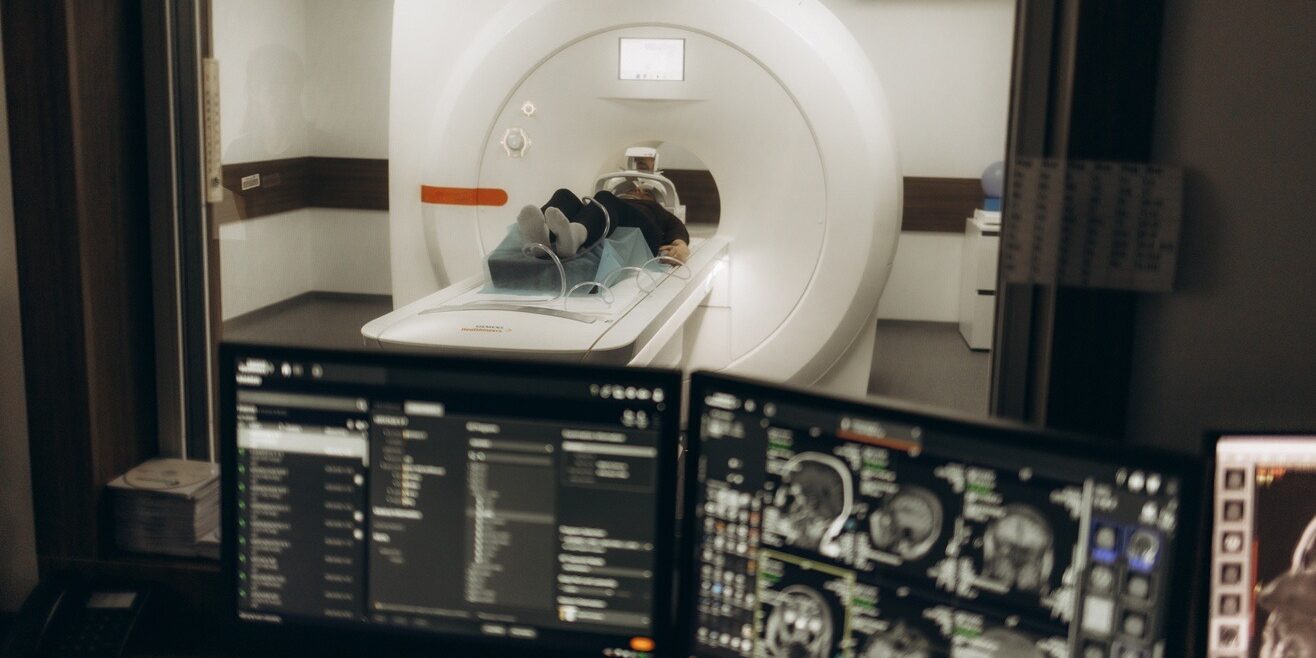
Magnetic resonance imaging plays an important role in diagnosing and monitoring a wide range of medical conditions. While 1.5T MRI systems remain widely used and appropriate for many examinations, 3T MRI provides a stronger magnetic field that can offer higher-resolution images and greater anatomical detail in certain clinical situations.
For referring physicians, the question is not simply whether MRI is appropriate, but whether a patient may benefit specifically from imaging performed on a 3T system. Let’s take a closer look at some of the most common situations where physicians will refer patients for 3T.
When Greater Anatomical Detail Is Important
One of the primary advantages of 3T MRI is its higher signal-to-noise ratio. This can be used to produce detailed images that may help radiologists visualize smaller anatomical structures and subtle abnormalities.
This additional detail can be particularly valuable when evaluating complex anatomy or when the clinical question requires a more precise look at a specific area.
However, a higher magnetic field does not automatically make 3T MRI the best option for every patient or examination. The appropriate imaging method depends on the body part, suspected condition, patient characteristics, and clinical question being investigated.
Neurological Imaging
Neurological examinations are among the applications where 3T MRI can be especially useful. Detailed imaging of the brain may assist in evaluating patients with seizures, persistent neurological symptoms, suspected tumors, demyelinating conditions, and other neurological concerns.
High-resolution imaging may allow radiologists to examine small structures and subtle tissue differences more closely. Specialized MRI protocols can also be selected according to the patient’s symptoms and the information the referring physician needs.
Musculoskeletal Injuries
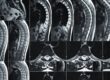
Physicians may also consider 3T MRI when evaluating certain joint, ligament, tendon, cartilage, and other soft-tissue injuries.
For athletes and other patients with persistent musculoskeletal symptoms, detailed imaging can help identify injuries that may be difficult to characterize through a physical examination or conventional X-rays alone.
MRI may be particularly helpful when symptoms continue despite initial treatment or when imaging results could affect decisions regarding rehabilitation, additional testing, or surgical consultation.
When Previous Imaging Is Inconclusive
Another potential reason to refer a patient for 3T MRI is when previous diagnostic testing has not provided enough information.
For example, a patient may continue experiencing symptoms even though an earlier examination did not clearly identify their cause. Depending on the clinical circumstances, higher-resolution MRI or a more specialized imaging protocol may provide additional information.
This does not mean that every inconclusive scan should automatically be repeated at 3T. Physicians must consider whether additional imaging is likely to provide clinically useful information.
Considering the Individual Patient
Not every patient is an ideal candidate for every MRI examination. Implanted medical devices, metal within the body, claustrophobia, the ability to remain still, and other factors may influence how an MRI is performed or whether another imaging approach is more appropriate.
Before imaging, patients should provide complete information about implants, previous procedures, and relevant medical history.
Choosing Imaging Based on the Clinical Question
The decision to refer a patient for 3T MRI should ultimately be based on the information needed to guide diagnosis or treatment.
When detailed visualization of the brain, joints, soft tissues, or other anatomical structures could meaningfully contribute to patient care, 3T MRI may provide valuable diagnostic information. Clear communication between referring physicians and imaging specialists can also help ensure that the examination and imaging protocol are tailored to the specific clinical question.
Kansas City Advanced Imaging
Get In. Find Out.™
At KCAI, we believe meaningful change starts with the right support, guidance, and environment. Whether you’re exploring new paths for personal growth, seeking deeper understanding, or looking for solutions tailored to your unique journey, our team is here to help you move forward with confidence.
Every step you take matters, and we’re committed to helping you make the most of it. Reach out today to learn how we can support your goals and help you create lasting, positive change.
Unlike many imaging clinics, we offer same-day and next-day MRIs–schedule yours today.