Headaches are extremely common, and most do not indicate a serious underlying medical condition. However, when headaches become persistent, unusually severe, or begin occurring alongside other symptoms, a healthcare provider may recommend diagnostic imaging to take a closer look at the brain.
Magnetic resonance imaging (MRI) provides detailed images of the brain and surrounding structures without using ionizing radiation. For certain patients with chronic or changing headaches, an MRI can help physicians investigate possible causes and determine whether additional evaluation or treatment is necessary.
Why Aren’t MRIs Needed for Every Headache?
Many headaches can be diagnosed based on a patient’s symptoms, medical history, and physical or neurological examination. Common headache disorders, including migraines and tension headaches, often have recognizable patterns that do not necessarily require imaging.
Ordering an MRI for every headache could result in unnecessary testing and may identify harmless abnormalities that are unrelated to the patient’s symptoms.
Instead, healthcare providers typically consider imaging when characteristics of the headache or accompanying symptoms suggest that something else may need to be investigated.
When Might an MRI Be Recommended?
A healthcare provider may consider an MRI when a patient develops a new or unusual headache pattern. Imaging may also be appropriate when chronic headaches suddenly change in frequency, severity, duration, or other characteristics.
Other situations that may prompt further evaluation include headaches accompanied by neurological symptoms such as weakness, numbness, confusion, vision changes, balance problems, or seizures. Headaches that begin after a significant head injury or appear alongside certain other medical concerns may also require imaging.
The decision depends on the individual patient. Experiencing one of these symptoms does not automatically mean that a serious condition is present, but it may give a physician a reason to investigate further.
What Can an MRI Detect?
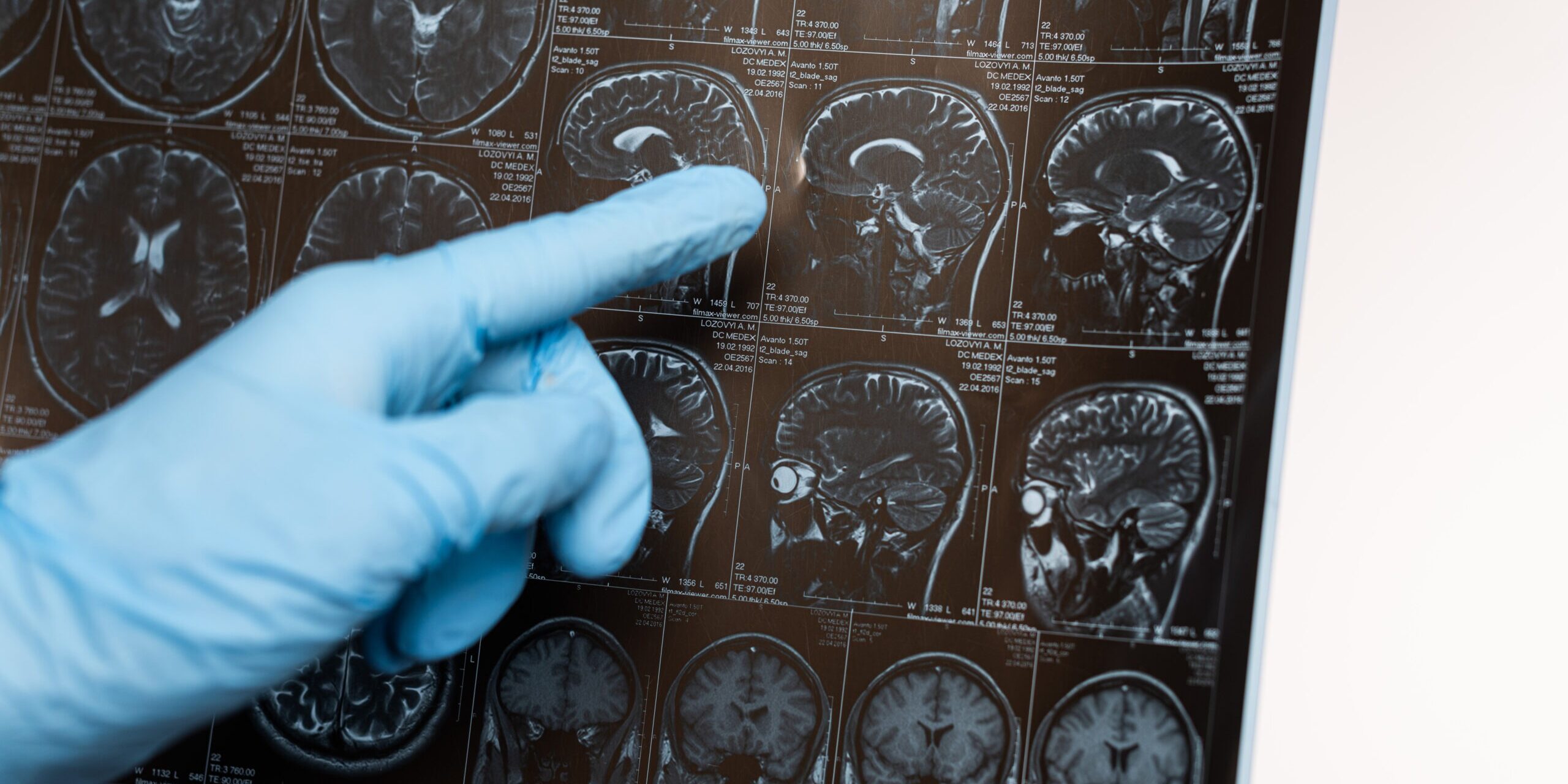
MRI technology produces highly detailed images of soft tissues, making it particularly useful for examining the brain.
A brain MRI can help physicians look for structural abnormalities that could potentially contribute to headaches. Depending on the circumstances, imaging may be used to evaluate for tumors, inflammation, certain vascular abnormalities, previous injuries, infections, fluid buildup, or other changes within the brain and surrounding tissues.
MRI can also provide multiple views of the brain, helping physicians examine areas that may be difficult to evaluate with other imaging methods.
MRI vs. CT for Headaches
Both MRI and computed tomography (CT) can play important roles in evaluating headaches, but they are not interchangeable.
CT scans are fast and are frequently used in emergency situations, particularly when physicians need to evaluate certain acute conditions quickly. MRI generally provides greater soft-tissue detail and may be preferred when investigating persistent or chronic neurological symptoms.
Unlike CT, MRI does not use X-rays. Instead, it uses a powerful magnetic field and radiofrequency signals to create detailed images.
What Happens During an MRI?
During a brain MRI, the patient lies on a table that moves into the MRI scanner. Remaining still is important because movement can reduce image clarity.
Depending on the reason for the examination, contrast material may be used to make certain tissues or abnormalities easier to visualize. MRI examinations can vary in length based on the specific images and sequences ordered.
Finding the Right Time for Imaging
Chronic headaches alone do not necessarily mean that an MRI is required. The need for imaging depends on factors such as symptoms, medical history, neurological examination findings, and changes in the headache pattern.
For patients whose healthcare providers recommend imaging, a brain MRI can provide detailed information that helps rule out certain structural causes and guides the next steps in diagnosis and treatment.
Kansas City Advanced Imaging
Get In. Find Out.™
At KCAI, we believe meaningful change starts with the right support, guidance, and environment. Whether you’re exploring new paths for personal growth, seeking deeper understanding, or looking for solutions tailored to your unique journey, our team is here to help you move forward with confidence.
Every step you take matters, and we’re committed to helping you make the most of it. Reach out today to learn how we can support your goals and help you create lasting, positive change.
Unlike many imaging clinics, we offer same-day and next-day MRIs–schedule yours today.