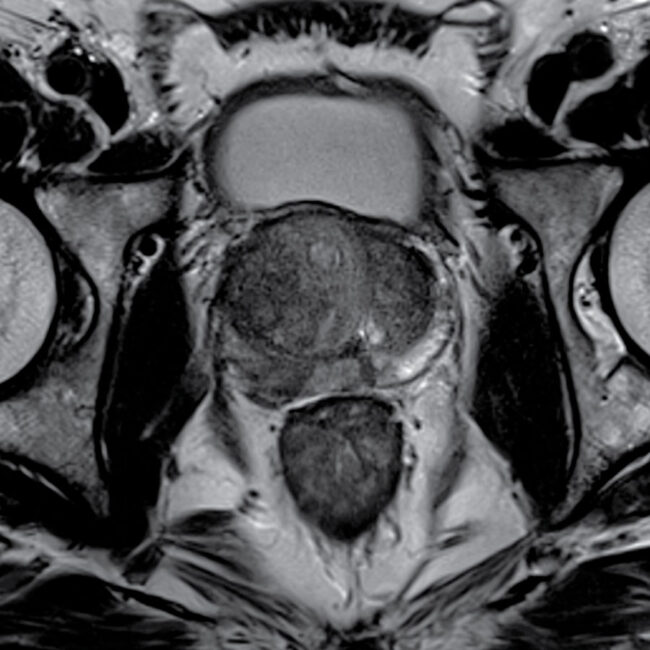
Prostate MRI Scan

Can MRI Detect Cancer Early? What Patients Should Know

Early cancer detection can make a significant difference in treatment options and outcomes for many types of cancer. Medical imaging plays an important role in finding suspicious abnormalities, determining their location, and helping healthcare providers decide whether additional testing is necessary. One imaging technology that may be used during this process is magnetic resonance imaging…

How MRI Detects Early Signs of Neurological Disorders

How MRI Detects Early Signs of Neurological Disorders

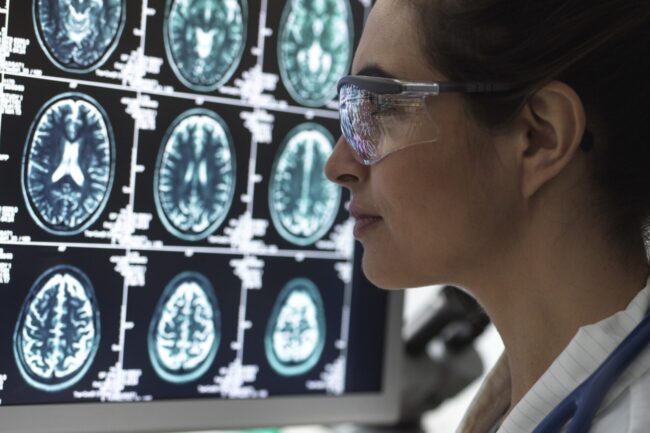
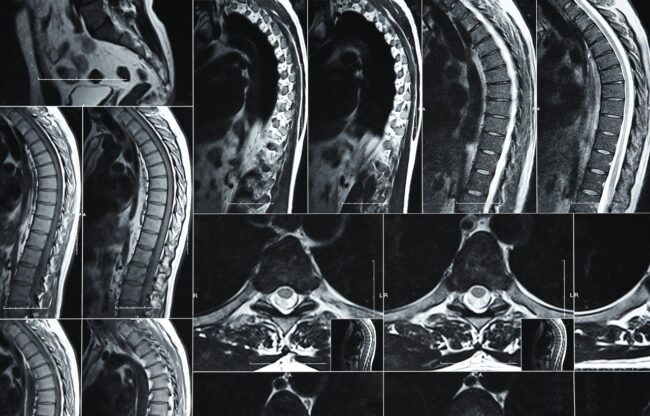
Neurological disorders can affect the brain, spinal cord, nerves, and other parts of the nervous system. Some conditions develop gradually, with early changes occurring before symptoms become severe or significantly affect daily life. Identifying these changes can be an important part of reaching an accurate diagnosis and determining appropriate treatment. Magnetic resonance imaging (MRI) is…

MRI vs. X-Ray for Joint Injuries

Joint injuries are common after falls, sports accidents, repetitive strain, and everyday activities. When pain, swelling, stiffness, or limited movement persists, imaging may be needed to determine what is happening inside the joint. Two of the most commonly used imaging options are X-rays and magnetic resonance imaging (MRI). While both can provide valuable information, they…

Using MRI to Diagnose Sports Injuries

Using MRI to Diagnose Sports Injuries

Sports injuries can happen to professional athletes, weekend competitors, and anyone who enjoys staying active. While some injuries are immediately obvious, others can be difficult to diagnose based on symptoms and a physical examination alone. Pain, swelling, weakness, and limited mobility can have several possible causes, making detailed imaging valuable for understanding exactly what has…

Diagnoses Typically Found by MRI Scans

Why “Mild” Traumatic Brain Injury Isn’t Mild: What the Long-Term Outcome Research Shows

In medicine, “mild traumatic brain injury” is a technical classification–it describes the severity of the initial presentation, typically based on a Glasgow Coma Scale score of 13–15, meaning the person didn’t lose consciousness for long, if at all, and didn’t show severe neurological signs at the scene or in the ER. It says nothing about…