Neurological disorders can affect the brain, spinal cord, nerves, and other parts of the nervous system. Some conditions develop gradually, with early changes occurring before symptoms become severe or significantly affect daily life. Identifying these changes can be an important part of reaching an accurate diagnosis and determining appropriate treatment.
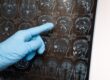
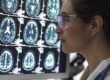
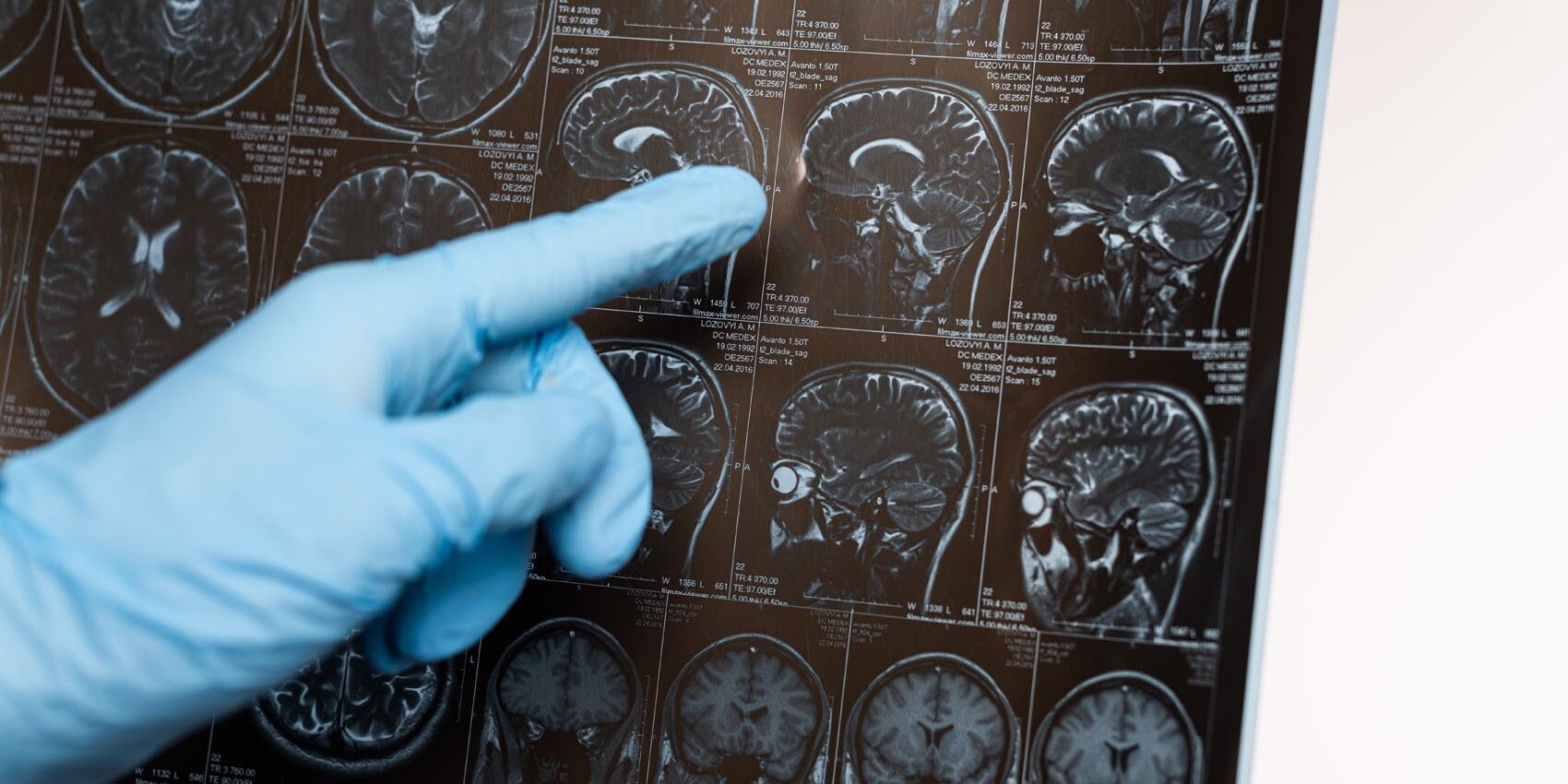
Magnetic resonance imaging (MRI) is one of the most valuable imaging technologies for evaluating the nervous system. Its ability to produce highly detailed images of the brain and spinal cord can help healthcare providers identify abnormalities that may be associated with neurological conditions, sometimes during their earlier stages.
Why Is MRI Useful for Neurological Imaging?
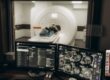
MRI uses a powerful magnetic field and radio waves to create detailed images of structures inside the body. Unlike X-rays and CT scans, MRI does not use ionizing radiation.
The brain and spinal cord contain complex soft tissues that require detailed imaging to evaluate effectively. MRI can distinguish between different types of tissue and reveal subtle abnormalities that may be difficult to identify with other imaging methods.
Depending on the reason for the examination, different MRI sequences can also be used to highlight particular tissues, fluid, blood flow, or other characteristics.
Detecting Changes in Brain Tissue
Certain neurological disorders can cause physical changes within brain tissue. MRI may reveal lesions, areas of tissue damage, inflammation, changes in brain volume, or other structural abnormalities.
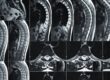
For example, MRI plays an important role in evaluating patients for multiple sclerosis. The condition can produce characteristic lesions in the brain and spinal cord that may be visible on MRI. Imaging can help healthcare providers identify the location and pattern of these lesions while also monitoring changes over time.
However, an MRI finding alone does not necessarily confirm a neurological disorder. Results are typically interpreted alongside symptoms, medical history, physical examinations, and other diagnostic testing.
Identifying Signs of Stroke
MRI can also help detect changes associated with a stroke. Certain specialized MRI sequences are particularly sensitive to changes caused by restricted blood flow in brain tissue.
Early identification of a stroke is critical because treatment can be highly time-sensitive. Imaging helps healthcare teams determine whether a stroke has occurred, which areas of the brain are affected, and what type of treatment may be appropriate.
Anyone experiencing sudden symptoms such as facial drooping, arm weakness, difficulty speaking, severe dizziness, or confusion should seek emergency medical attention immediately.
Evaluating Tumors and Other Abnormalities
Detailed MRI images can help identify abnormal masses within the brain or spinal cord. MRI can provide information about a tumor’s size, location, and relationship to surrounding structures.
MRI may also be used to investigate unexplained neurological symptoms such as recurring headaches, seizures, balance problems, numbness, weakness, or changes in vision. These symptoms have many possible causes, so imaging may be one component of a broader diagnostic process.
Monitoring Neurological Conditions Over Time
MRI is not only useful for initial evaluation. Repeated imaging may help healthcare providers monitor certain neurological disorders and determine whether structural changes are occurring.
Comparing MRI scans over time can reveal new lesions, changes in existing abnormalities, or progression of certain conditions. This information may help healthcare providers evaluate treatment effectiveness and make informed decisions about ongoing care.
The Role of MRI in Early Neurological Diagnosis
MRI provides an exceptionally detailed view of the brain and spinal cord, making it an important tool for investigating possible neurological disorders. While MRI cannot diagnose every condition by itself, it can reveal structural changes that provide valuable clues.
When combined with neurological examinations, medical history, laboratory testing, and other diagnostic methods, MRI can help healthcare providers better understand what is happening within the nervous system and determine the appropriate next steps for diagnosis and treatment.
Kansas City Advanced Imaging
Get In. Find Out.™
At KCAI, we believe meaningful change starts with the right support, guidance, and environment. Whether you’re exploring new paths for personal growth, seeking deeper understanding, or looking for solutions tailored to your unique journey, our team is here to help you move forward with confidence.
Every step you take matters, and we’re committed to helping you make the most of it. Reach out today to learn how we can support your goals and help you create lasting, positive change.
Unlike many imaging clinics, we offer same-day and next-day MRIs–schedule yours today.