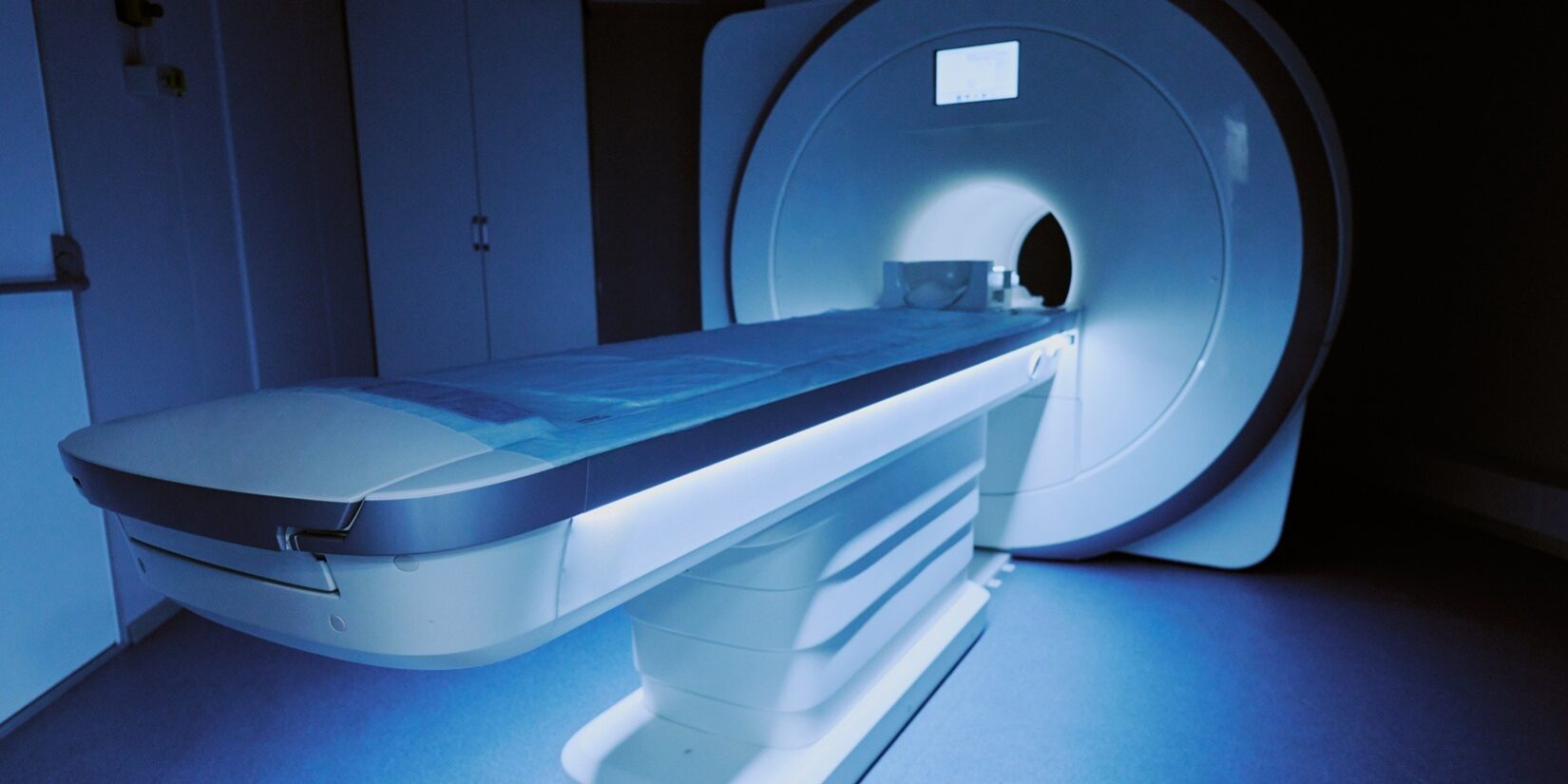
Magnetic Resonance Imaging (MRI) is one of the most powerful diagnostic tools available today, helping physicians detect and evaluate a wide range of conditions without radiation. But not all MRI machines are the same. One of the most important distinctions is the strength of the magnet used, commonly measured in tesla (T).
The two most widely used systems are 1.5T and 3T MRI scanners. Understanding the difference between them can help explain why certain imaging centers (and certain diagnoses) benefit from more advanced technology. Let’s take a closer look.
What Does “Tesla” Mean in MRI?
The “T” in 1.5T or 3T refers to tesla, a unit that measures the strength of a magnetic field. MRI machines rely on strong magnetic fields and radio waves to create detailed images of the body. A higher tesla rating means a stronger magnetic field, which directly impacts image quality, speed, and diagnostic capability.
Key Differences Between 1.5T and 3T MRI
Image Clarity and Detail
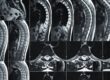
A 3T MRI produces significantly higher-resolution images compared to a 1.5T system. The stronger magnetic field allows for better signal-to-noise ratio, which means clearer and more detailed images. This can be especially important when examining small structures such as nerves, blood vessels, or subtle abnormalities in soft tissue.
Faster Scan Times
Because a 3T MRI captures more signal, it can often complete scans more quickly than a 1.5T machine. Shorter scan times can improve patient comfort and reduce the likelihood of motion-related image distortions.
Improved Detection of Certain Conditions
For complex or subtle conditions (such as early-stage neurological disorders, small tumors, ligament injuries, or vascular abnormalities), a 3T MRI can provide more precise imaging. This enhanced detail can help physicians make earlier and more accurate diagnoses.
Better Imaging for Specialized Exams
Advanced imaging techniques, such as functional MRI (fMRI), diffusion imaging, and detailed brain or spine scans, often benefit from the higher power of a 3T system. These capabilities are particularly valuable in neurology, orthopedics, and oncology.
When Is a 1.5T MRI Still Used?
Despite the advantages of 3T MRI, 1.5T systems remain widely used, and for good reason. They are highly effective for many routine imaging needs, including joint evaluations, abdominal scans, and general diagnostic imaging. In some cases, a 1.5T MRI may even be preferred, such as for patients with certain implants or when minimizing artifacts is important.
Why the Difference Matters for Diagnosis
The level of detail provided by an MRI can directly impact a physician’s ability to detect and diagnose conditions accurately. In situations where precision is critical (such as identifying very small lesions or assessing complex anatomy) a 3T MRI can provide the clarity needed to guide treatment decisions.
However, the “best” MRI is not always about the highest number. The choice between 1.5T and 3T depends on the patient’s specific condition, medical history, and the type of imaging required. A skilled imaging provider will recommend the most appropriate option to ensure accurate results.
Choosing the Right Imaging Technology
Advancements in MRI technology have made it possible to see the human body with incredible detail. Whether using a 1.5T or 3T system, the goal remains the same: to provide clear, accurate images that support confident diagnosis and effective treatment planning.
Kansas City Advance Imaging
Get In. Find Out.™
At KCAI, we believe meaningful change starts with the right support, guidance, and environment. Whether you’re exploring new paths for personal growth, seeking deeper understanding, or looking for solutions tailored to your unique journey, our team is here to help you move forward with confidence.
Every step you take matters, and we’re committed to helping you make the most of it. Reach out today to learn how we can support your goals and help you create lasting, positive change.
Unlike many imaging clinics, we offer same-day and next-day MRIs–schedule yours today.