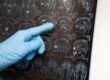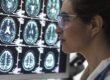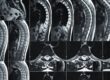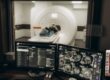
Modern medicine has made remarkable advances in diagnosing disease earlier than ever before, and high-resolution medical imaging plays a major role in that progress. Technologies such as advanced MRI scans allow physicians to visualize structures inside the body with exceptional detail, helping identify abnormalities before symptoms become severe or irreversible damage occurs.
Early detection can lead to earlier treatment, improved outcomes, and greater peace of mind for patients. As imaging technology continues to evolve, healthcare providers can detect subtle changes that may have gone unnoticed just a decade ago. Let’s take a closer look at how high-res imaging helps with early detection.
What Is High-Resolution Imaging?
High-resolution imaging refers to advanced diagnostic imaging systems that produce exceptionally detailed images of organs, tissues, blood vessels, and other structures within the body. In MRI technology, higher magnetic field strengths and advanced imaging software create sharper images with greater clarity and contrast.
The increased level of detail allows radiologists to identify very small abnormalities that may be difficult to see using older imaging systems. Whether evaluating the brain, spine, joints, or internal organs, high-resolution imaging provides a more comprehensive view of what is happening inside the body.
Why Early Detection Matters
Many diseases develop gradually over time. In their earliest stages, conditions may produce few or no symptoms. By the time symptoms appear, treatment options may be more limited or complex.
Early detection can provide several important benefits:
- More treatment options
- Less invasive interventions
- Improved long-term outcomes
- Reduced healthcare costs
- Better quality of life for patients
- Increased chances of successful disease management
When physicians can identify disease before significant progression occurs, they often have more opportunities to slow, stop, or effectively treat the condition.
Detecting Neurological Conditions Earlier
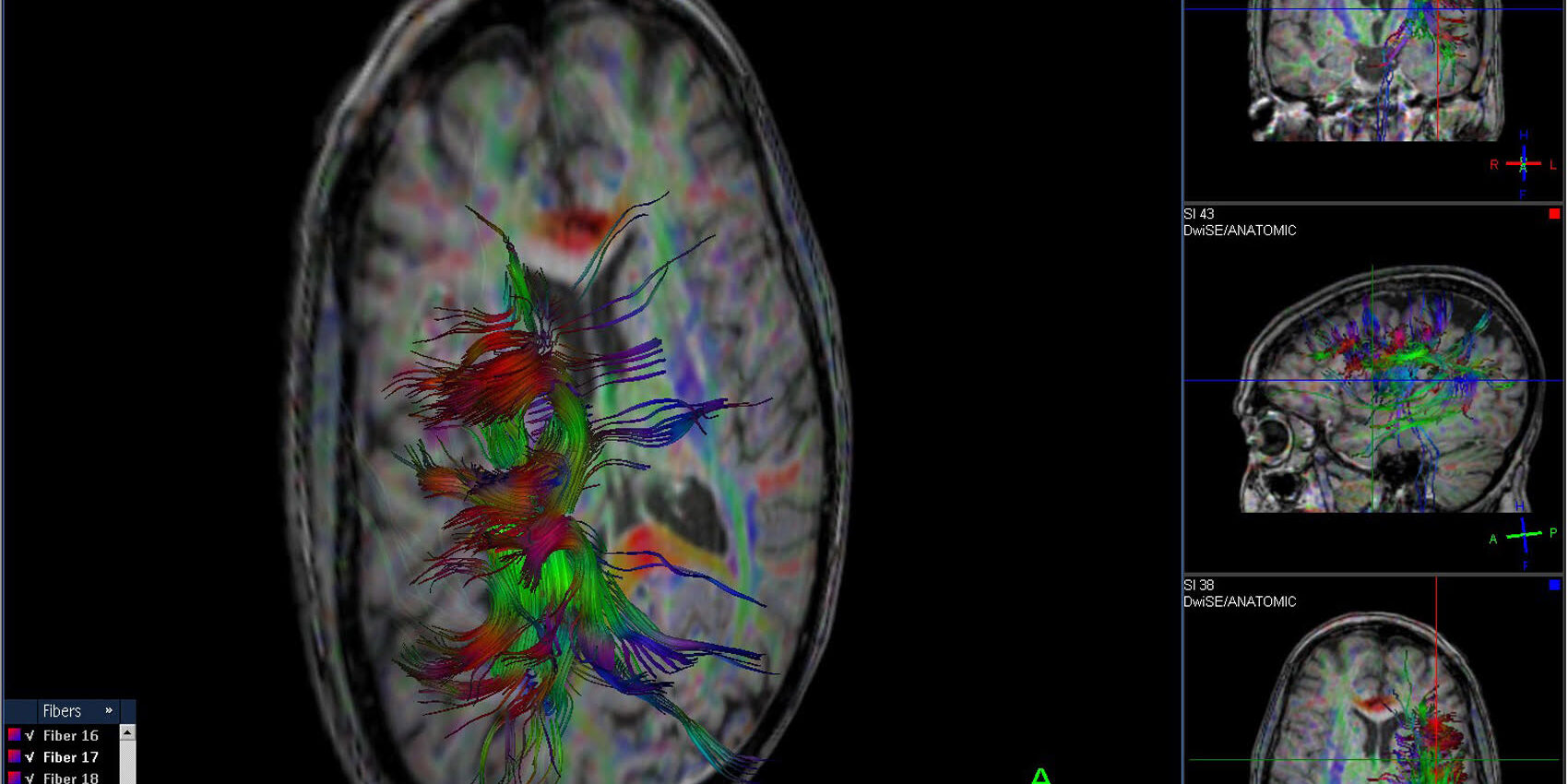
High-resolution MRI has become one of the most valuable tools for evaluating the brain and nervous system. Detailed imaging can reveal subtle structural changes associated with neurological disorders long before severe symptoms develop.
Conditions that may benefit from early imaging detection include:
- Multiple sclerosis
- Brain tumors
- Stroke-related abnormalities
- Neurodegenerative diseases
- Vascular disorders
- Traumatic brain injuries
Advanced imaging allows physicians to assess brain tissue, blood flow, and nerve pathways with remarkable precision. Detecting these changes early can help patients receive treatment and monitoring sooner.
Identifying Musculoskeletal Problems Before They Worsen
Joint pain, sports injuries, and chronic orthopedic conditions often begin with minor tissue damage that may not appear on standard imaging studies.
High-resolution MRI can provide detailed visualization of:
- Ligaments
- Tendons
- Cartilage
- Muscles
- Menisci
- Spinal discs
By identifying small tears, inflammation, degeneration, or structural abnormalities early, physicians can recommend treatments that may prevent further damage and support faster recovery.
Improving Cancer Detection and Monitoring
Medical imaging is a critical component of cancer detection and management. High-resolution scans can help identify suspicious masses, tissue abnormalities, and other findings that require further evaluation.
While imaging alone does not diagnose every cancer, it often serves as an important first step in identifying abnormalities that may need additional testing. Detailed images also help physicians monitor treatment effectiveness and evaluate changes over time.
The ability to detect smaller lesions and subtle tissue changes can be especially valuable when developing personalized treatment plans.
The Future of Preventive Healthcare
As imaging technology continues to advance, healthcare providers are gaining access to increasingly detailed diagnostic information. High-resolution MRI systems, advanced imaging software, and specialized imaging protocols are helping physicians make more accurate diagnoses while reducing uncertainty.
For patients, this means earlier answers, greater diagnostic confidence, and more opportunities to address health concerns before they become serious problems. High-resolution imaging has become an essential tool in modern medicine, supporting the goal of detecting disease earlier and improving patient outcomes through timely intervention.
Kansas City Advance Imaging
Get In. Find Out.™
At KCAI, we believe meaningful change starts with the right support, guidance, and environment. Whether you’re exploring new paths for personal growth, seeking deeper understanding, or looking for solutions tailored to your unique journey, our team is here to help you move forward with confidence.
Every step you take matters, and we’re committed to helping you make the most of it. Reach out today to learn how we can support your goals and help you create lasting, positive change.
Unlike many imaging clinics, we offer same-day and next-day MRIs–schedule yours today.