Using MRI to Diagnose Sports Injuries

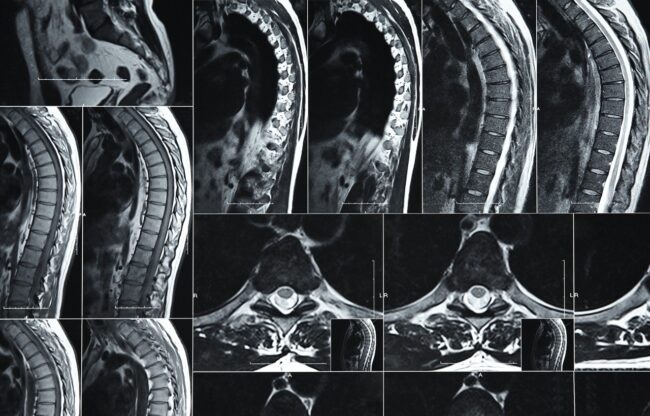
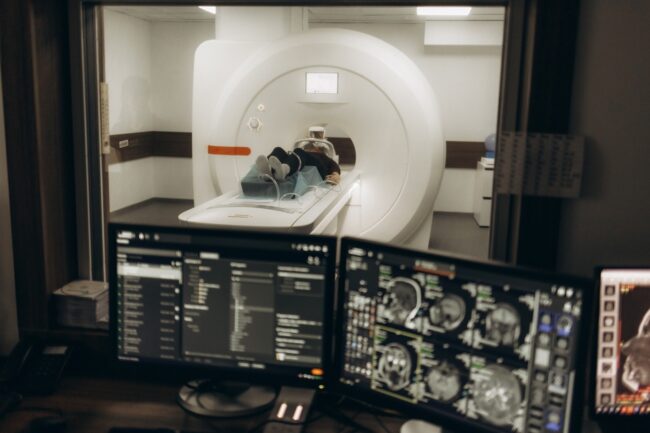
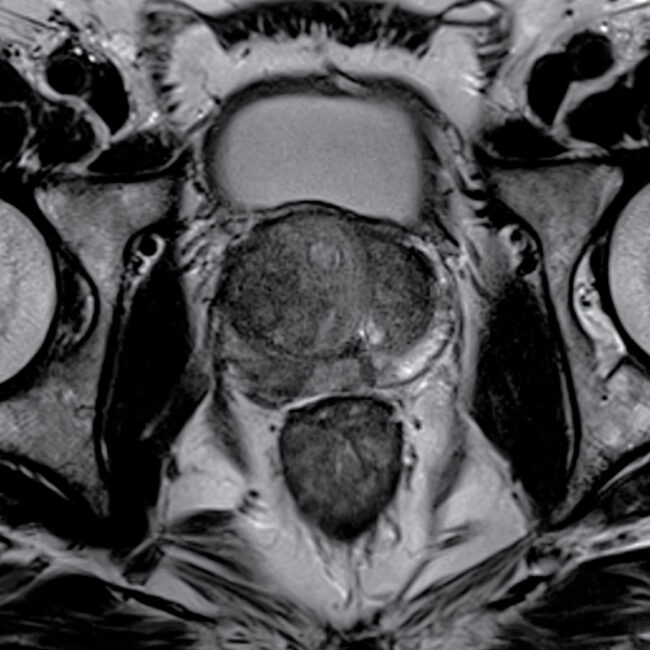
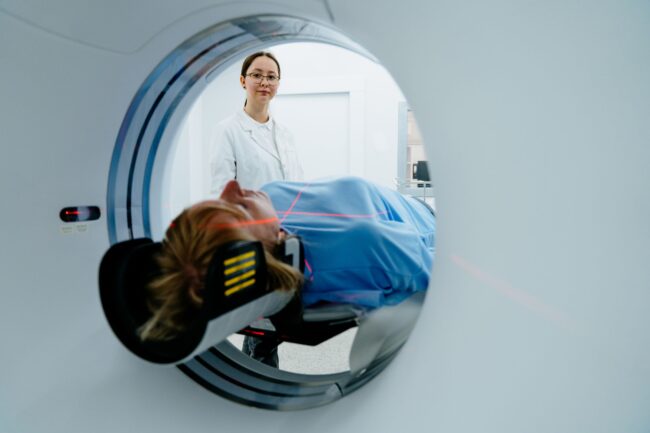
Sports injuries can happen to professional athletes, weekend competitors, and anyone who enjoys staying active. While some injuries are immediately obvious, others can be difficult to diagnose based on symptoms and a physical examination alone. Pain, swelling, weakness, and limited mobility can have several possible causes, making detailed imaging valuable for understanding exactly what has…

Details

Why “Mild” Traumatic Brain Injury Isn’t Mild: What the Long-Term Outcome Research Shows

In medicine, “mild traumatic brain injury” is a technical classification–it describes the severity of the initial presentation, typically based on a Glasgow Coma Scale score of 13–15, meaning the person didn’t lose consciousness for long, if at all, and didn’t show severe neurological signs at the scene or in the ER. It says nothing about…

Details

Beyond CT and MRI: What Diffusion Tensor Imaging Reveals About the Injured Brain

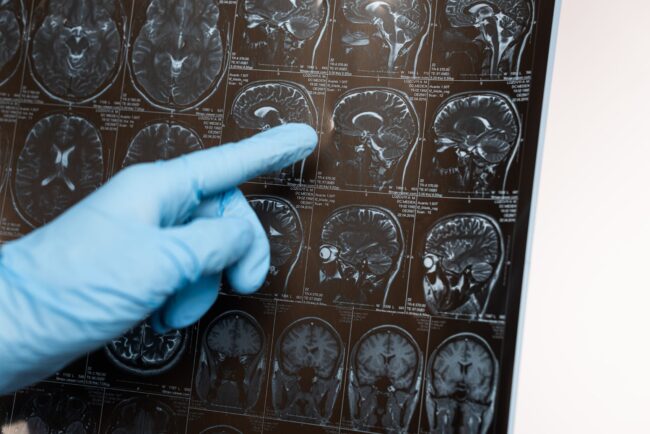
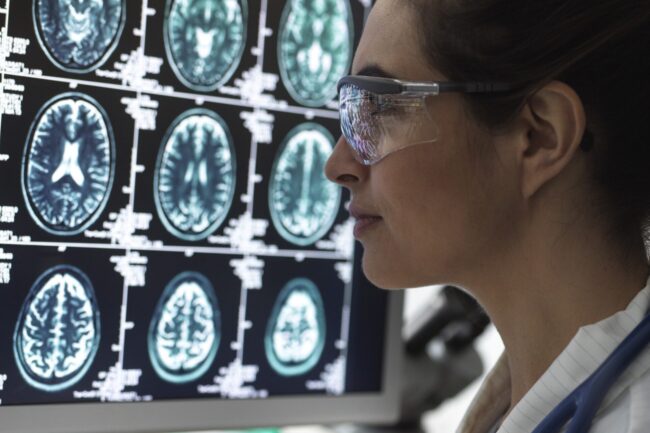
Standard CT and MRI scans are built to spot structural problems: bleeding, swelling, fractures, visible lesions. That makes them excellent at ruling out the most serious, immediately life-threatening injuries. It also means they’re built to miss the kind of injury that’s most common in mild traumatic brain injury–not a torn or bleeding structure, but subtle,…

Details