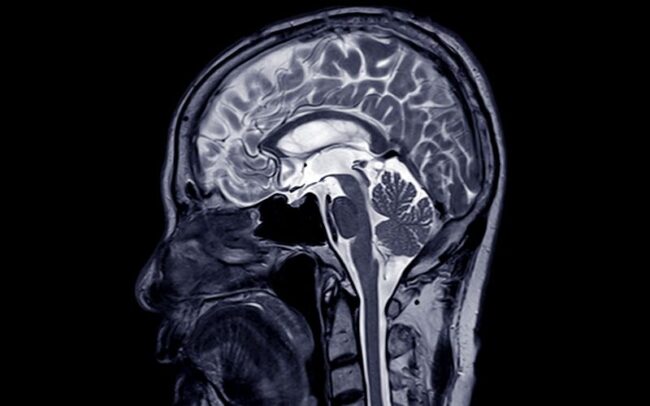
Brain Mapping for Mental Health: How Imaging Supports Treatment

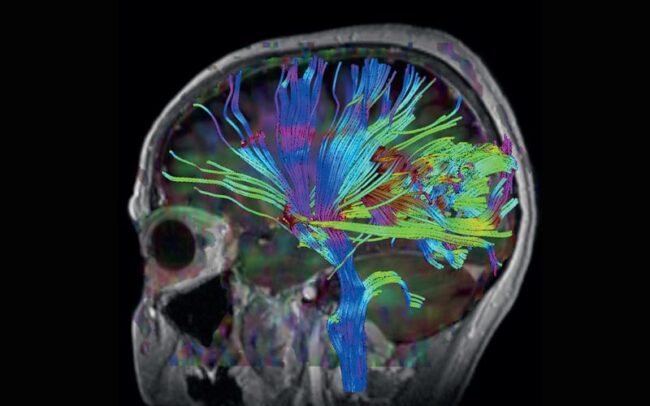
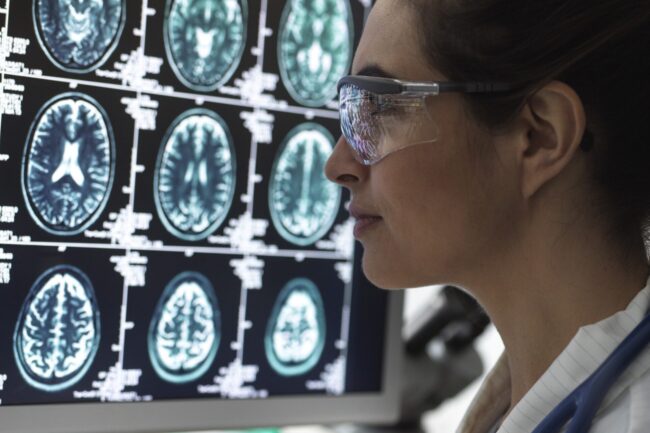
Mental health conditions affect millions of people each year, yet understanding what is happening inside the brain has historically been one of the greatest challenges in behavioral healthcare. While diagnoses such as depression, anxiety, post-traumatic stress disorder (PTSD), and bipolar disorder are primarily based on symptoms and clinical evaluations, advances in brain imaging technology are providing new…

Details

How Functional MRI Maps Brain Activity in Real Time

The human brain contains billions of neurons communicating through complex electrical and chemical signals every second. Understanding how different regions of the brain function has long been one of medicine’s greatest challenges. Functional Magnetic Resonance Imaging, commonly known as fMRI, has transformed neuroscience by allowing researchers and physicians to observe brain activity as it happens.  Unlike traditional MRI scans…

Details

What Makes Wide-Bore MRI More Comfortable for Patients

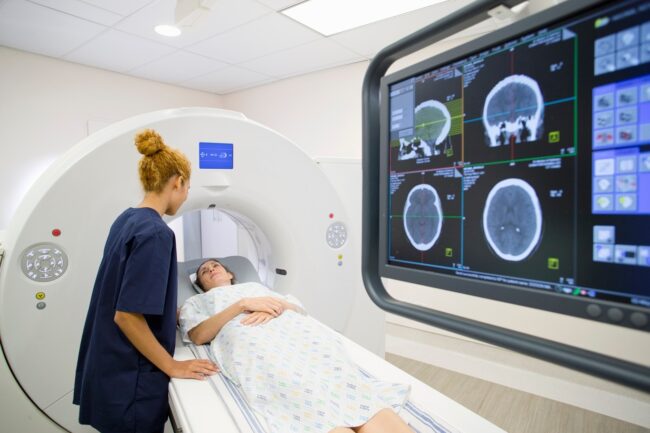
For many patients, the thought of undergoing an MRI can bring feelings of anxiety or discomfort. Traditional MRI machines are often associated with narrow, enclosed spaces and long scan times, which can be challenging, especially for those with claustrophobia or mobility concerns.  Fortunately, advancements in imaging technology have led to the development of wide-bore MRI…

Details

How 128-Channel MRI Technology Improves Image Precision

Magnetic Resonance Imaging (MRI) has long been a cornerstone of modern diagnostics, offering detailed, non-invasive views of the body’s internal structures. As technology continues to advance, one of the most important innovations in MRI systems is the use of multi-channel coils, specifically 128-channel MRI technology.  This advancement plays a major role in improving image precision,…

Details

Why Faster MRI Access Matters: The Value of Same Day and Next Day Imaging

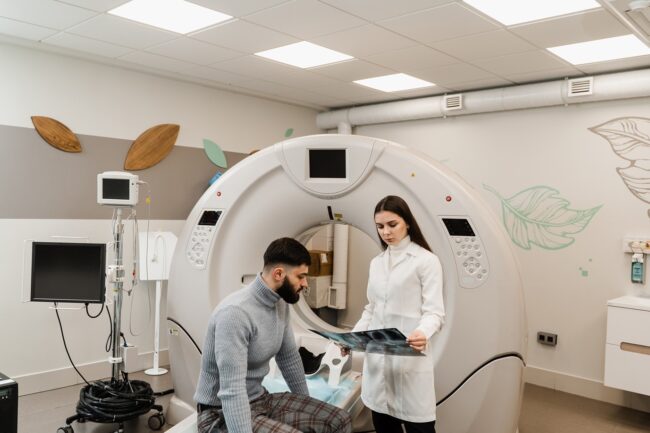
Speed to diagnosis can change everything. In healthcare, time matters. When a physician orders an MRI, it usually means something important needs to be evaluated—quickly. It may involve persistent pain, a neurological concern, a sports injury, a spinal condition, or the need to rule out something more serious. But in many healthcare systems today, MRI…

Details