When a doctor recommends an MRI, many patients have questions about the procedure. One of the most common concerns is whether an MRI is safe and if it exposes the body to radiation. The good news is that MRI, which stands for Magnetic Resonance Imaging, is considered one of the safest medical imaging technologies available. Unlike X-rays and CT scans, MRI does not use ionizing radiation. Instead, it relies on powerful magnets and radio waves to create highly detailed images of the body’s internal structures.
Understanding how MRI works can help patients feel more confident and prepared before their appointment. Let’s take a closer look at how MRIs work.
How Does an MRI Work?
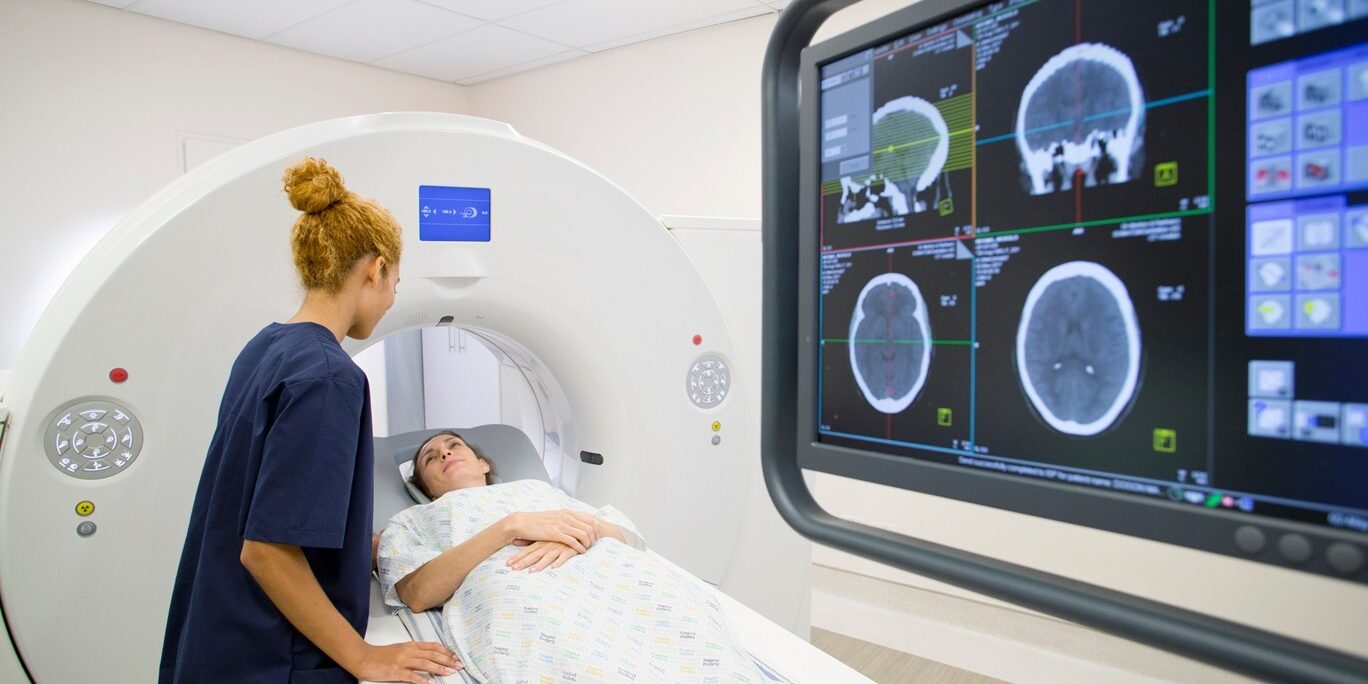
An MRI scanner uses a strong magnetic field to temporarily align hydrogen atoms that naturally exist in the body’s tissues. Radiofrequency pulses are then applied, causing these atoms to emit signals as they return to their normal state. A computer processes these signals into detailed cross-sectional images of organs, muscles, joints, nerves, blood vessels, and the brain.
Because MRI uses magnetic fields and radio waves rather than radiation, there is no exposure to ionizing energy during the exam.
Why Is Radiation-Free Imaging Important?
Ionizing radiation, which is used in X-rays and CT scans, can be extremely valuable for diagnosing many conditions. However, repeated exposure over time is generally minimized whenever possible.
MRI offers an alternative imaging option for many medical situations because it provides exceptional image quality without radiation exposure. This makes MRI especially useful for patients who may require multiple imaging studies throughout their lives, such as individuals with chronic conditions, neurological disorders, orthopedic injuries, or certain types of cancer that require ongoing monitoring.
For many patients, radiation-free imaging provides additional peace of mind while still delivering the detailed information physicians need.
Is MRI Safe for Most Patients?
For the vast majority of people, MRI is considered very safe. The magnetic field itself does not harm body tissues, and there are no known long-term health effects from exposure during a properly performed MRI exam.
However, because the magnet is extremely powerful, patients must be screened before entering the MRI suite. Certain implanted medical devices or metal objects may not be compatible with MRI.
Examples include:
- Some older pacemakers or implanted defibrillators
- Certain aneurysm clips
- Some cochlear implants
- Metal fragments in the eyes or body
- Older implanted medical hardware that has not been confirmed as MRI-compatible
Many newer implants are specifically designed to be MRI-safe or MRI-conditional, making imaging possible under certain guidelines.
What About Contrast Dye?
Some MRI exams require a contrast agent called gadolinium to improve visualization of blood vessels, tumors, inflammation, or other structures. Gadolinium contrast is different from the iodine-based contrast often used during CT scans.
Most patients tolerate MRI contrast very well, although healthcare providers review kidney function and medical history beforehand to determine whether contrast is appropriate.
Not every MRI requires contrast. The decision depends on the body part being examined and the information the physician needs.
Is MRI Safe During Pregnancy?
MRI may be recommended during pregnancy when additional diagnostic information is needed and other imaging methods are not sufficient. Current evidence suggests that non-contrast MRI is generally considered safe during pregnancy when medically necessary.
The use of gadolinium contrast during pregnancy is typically avoided unless the potential benefits clearly outweigh the risks.
What Should Patients Expect?
An MRI exam is painless, although remaining still is important for producing clear images. Depending on the area being scanned, the exam may last anywhere from 20 to 60 minutes. Patients will hear loud tapping or knocking sounds during the scan, and ear protection is provided for comfort.
Overall, MRI remains one of the safest and most advanced diagnostic imaging tools available. Its ability to produce exceptionally detailed images without exposing patients to ionizing radiation makes it an important resource for evaluating a wide range of medical conditions while prioritizing patient safety.
Kansas City Advanced Imaging
Get In. Find Out.™
At KCAI, we believe meaningful change starts with the right support, guidance, and environment. Whether you’re exploring new paths for personal growth, seeking deeper understanding, or looking for solutions tailored to your unique journey, our team is here to help you move forward with confidence.
Every step you take matters, and we’re committed to helping you make the most of it. Reach out today to learn how we can support your goals and help you create lasting, positive change.
Unlike many imaging clinics, we offer same-day and next-day MRIs–schedule yours today.