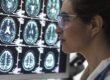
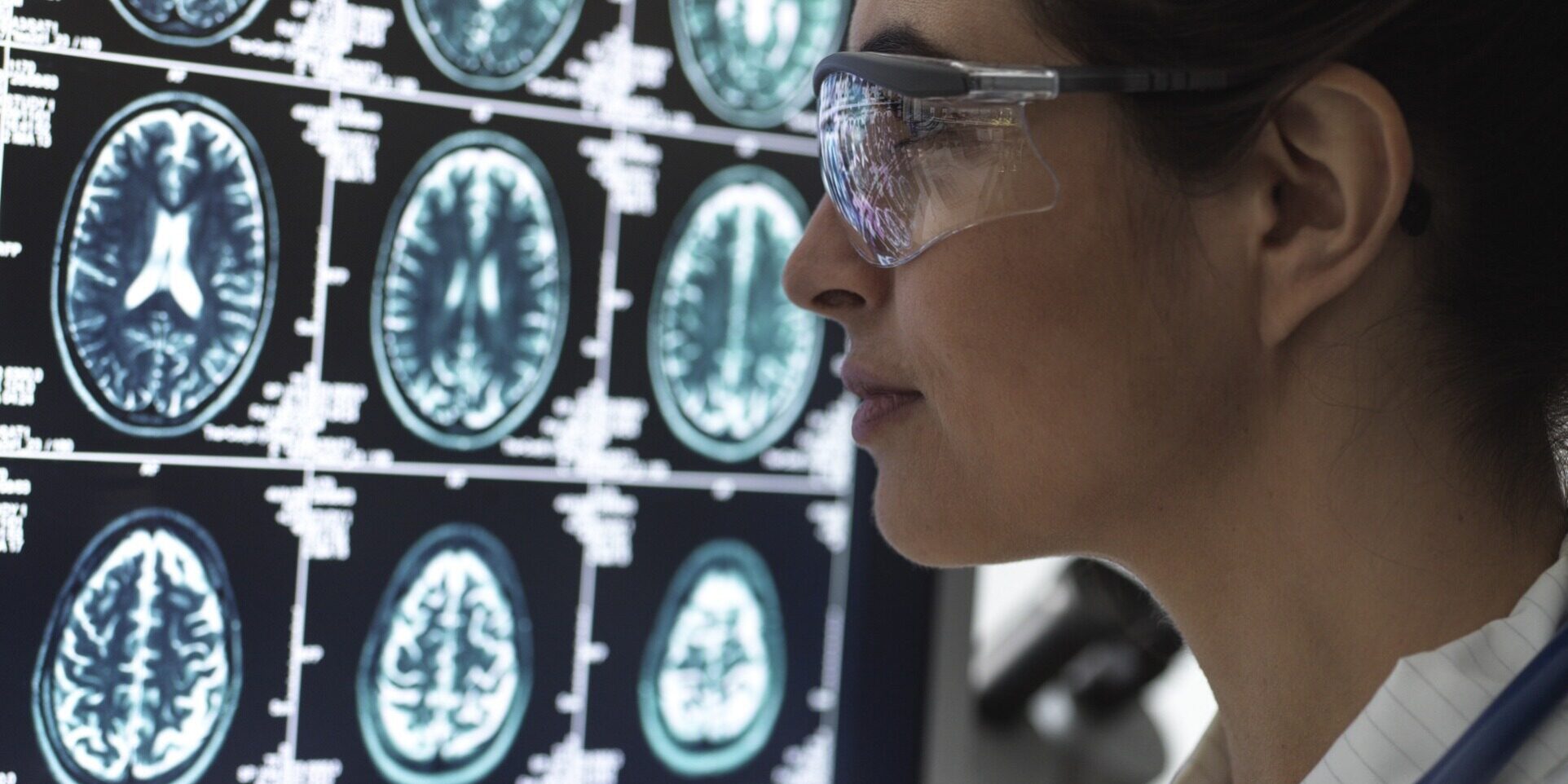
In medicine, “mild traumatic brain injury” is a technical classification–it describes the severity of the initial presentation, typically based on a Glasgow Coma Scale score of 13–15, meaning the person didn’t lose consciousness for long, if at all, and didn’t show severe neurological signs at the scene or in the ER. It says nothing about how the injury will actually play out over the following months and years. The long-term outcome data makes that distinction impossible to ignore.
What happens a year later
One of the most rigorous studies on this question comes from TRACK-TBI (Transforming Research and Clinical Knowledge in Traumatic Brain Injury), a large, multi-site, DoD- and NIH-funded research consortium. In a 2019 study published in JAMA Neurology, researchers followed 1,154 patients with mild TBI and compared them to a control group with orthopedic trauma but no brain injury. At 12 months post-injury, 53% of mTBI patients still reported significant, injury-related functional limitations–compared to 38% of the orthopedic trauma control group.
That’s a striking number for an injury category whose name suggests it should have resolved months earlier. It’s also been replicated and cited widely enough in subsequent TRACK-TBI publications that it’s become one of the most frequently referenced findings in the mild TBI outcomes literature.
The repetitive-injury question: what CTE research shows and its real limits
A separate but related body of research has looked at what happens after repeated head impacts over time, most prominently through the work of Dr. Ann McKee and the Boston University CTE Center. Their studies of donated brains have found chronic traumatic encephalopathy (CTE)–a degenerative disease marked by a distinctive pattern of tau protein buildup around blood vessels in the brain–in a very high proportion of examined brains from former football players, including a widely cited 2017 study that found CTE in 110 of 111 former NFL players studied.
That number gets cited constantly, and it’s real–but it also comes with an important, frequently omitted caveat that the researchers themselves have acknowledged: these are brain banks built substantially from donated brains, and families of players who showed symptoms during life are far more likely to donate than families of those who didn’t. That selection bias means the true prevalence of CTE among all former football players is almost certainly lower than the rate found in these specific case series–a point raised by outside researchers and journalists, and one worth keeping in view when the headline statistic comes up. The BU CTE Center itself has now examined over 1,300 donated brains and has consistently stood behind its findings, but the “how common is this really” question remains genuinely open in a way the raw percentages don’t convey on their own.
What’s less disputed is the underlying biology: repeated head impacts, even sub-concussive ones that don’t individually meet the threshold for diagnosed concussion, appear capable of causing a distinct, cumulative pattern of brain injury over time–separate from, but related to, the mechanisms at work in a single moderate-to-severe TBI event.
Putting the two findings together
These two bodies of research are answering different questions–one about a single mild TBI event, the other about repetitive impacts over years–but they point toward the same broader conclusion: brain injury outcomes don’t track neatly with initial severity labels. A single “mild” TBI carries a real, well-documented risk of still-present functional limitations a year out. Repeated impacts, even mild ones, carry a separate, cumulative risk that current research is still working to fully quantify. Both arguments cut against treating “mild” as a synonym for “temporary” or “inconsequential.”
Kansas City Advanced Imaging – Get In. Find Out™.
At KCAI, we believe meaningful change starts with the right support, guidance, and environment. Whether you’re exploring new paths for personal growth, seeking deeper understanding, or looking for solutions tailored to your unique journey, our team is here to help you move forward with confidence.
Every step you take matters, and we’re committed to helping you make the most of it. Reach out today to learn how we can support your goals and help you create lasting, positive change.
Ask your physician about referring to Kansas City Advanced Imaging for same-day or next-day MRI scheduling. Schedule yours today.
Sources: Recovery After Mild TBI in Patients Presenting to US Level I Trauma Centers, TRACK-TBI Study, JAMA Neurology / PubMed; Current Trends in Mild Traumatic Brain Injury, PMC; BU Researchers Find CTE in 99% of Former NFL Players Studied; How fears over CTE and football outpaced what researchers know, ESPN; Researchers Find CTE in 345 of 376 Former NFL Players Studied, BU