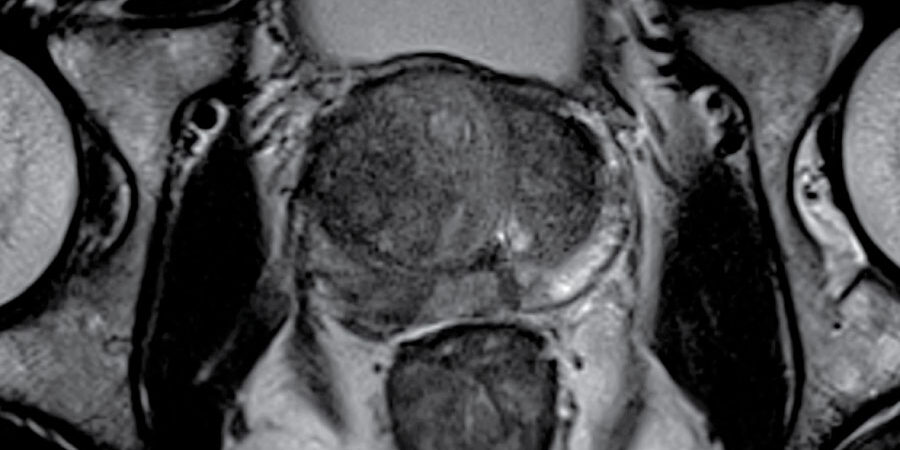
Early cancer detection can make a significant difference in treatment options and outcomes for many types of cancer. Medical imaging plays an important role in finding suspicious abnormalities, determining their location, and helping healthcare providers decide whether additional testing is necessary. One imaging technology that may be used during this process is magnetic resonance imaging (MRI).
MRI can detect certain abnormalities that may be associated with cancer, sometimes before they cause noticeable symptoms. However, its role in early cancer detection varies depending on the type of cancer, the patient’s individual risk factors, and the part of the body being examined.
How Does MRI Detect Possible Cancer?
MRI uses a powerful magnetic field and radio waves to create detailed images of tissues and organs. Unlike X-rays and CT scans, MRI does not use ionizing radiation.
One of MRI’s strengths is its ability to provide detailed images of soft tissues. Cancer can cause changes in the size, shape, structure, and other characteristics of tissues. MRI may reveal a suspicious mass or abnormal area that requires further evaluation.
Some MRI examinations use a contrast agent to make certain tissues and blood vessels easier to distinguish. Whether contrast is appropriate depends on the type of examination and the patient’s medical circumstances.
What Types of Cancer Can MRI Help Detect?
MRI can be useful when evaluating several areas of the body for possible cancer. It is frequently used in the assessment of the brain, spinal cord, breast, liver, prostate, bones, and other soft tissues.
For example, breast MRI may be recommended as an additional screening method for certain people who have a high risk of developing breast cancer. It does not typically replace mammography for routine breast cancer screening.
MRI may also be used when healthcare providers need detailed images of a suspicious area that was initially discovered through another test.
Can MRI Find Cancer Before Symptoms Appear?
In certain circumstances, MRI can identify suspicious abnormalities before they produce noticeable symptoms. However, MRI is not generally used as a universal cancer screening test for everyone.
Cancer screening recommendations vary based on factors such as age, family history, personal medical history, genetic risk, and the type of cancer being considered. Established screening methods, including mammograms and colonoscopies, remain important because different tests are designed to identify different cancers effectively.
Patients should discuss appropriate cancer screening with their healthcare providers rather than relying on a single imaging method.
Does an Abnormal MRI Mean You Have Cancer?
An abnormal MRI does not automatically mean cancer is present. Many noncancerous conditions can create unusual findings on medical images, including cysts, inflammation, infections, and benign tumors.
If an MRI identifies a suspicious area, additional testing may be necessary. This could include another imaging examination, laboratory testing, or a biopsy. A biopsy allows tissue to be examined and is often necessary to definitively determine whether an abnormality is cancerous.
MRI Can Also Help Determine the Extent of Cancer
MRI is valuable not only for detecting abnormalities but also for evaluating cancers that have already been diagnosed. Detailed images can help healthcare providers determine a tumor’s size and location and whether nearby structures may be affected.
This information can assist with cancer staging and treatment planning. MRI may also be performed during or after treatment to evaluate how a tumor is responding.
Understanding the Role of MRI in Cancer Detection
MRI is a powerful diagnostic tool, but it is only one part of cancer detection and diagnosis. Its usefulness depends on the type of cancer being investigated and the individual patient’s circumstances.
When MRI is appropriate, its detailed images can help healthcare providers identify suspicious changes, investigate abnormalities discovered through other tests, and gather important information about known cancers. Combined with recommended screenings, clinical examinations, and additional diagnostic testing when necessary, MRI can play an important role in detecting and understanding cancer as early as possible.
Kansas City Advanced Imaging
Get In. Find Out.™
At KCAI, we believe meaningful change starts with the right support, guidance, and environment. Whether you’re exploring new paths for personal growth, seeking deeper understanding, or looking for solutions tailored to your unique journey, our team is here to help you move forward with confidence.
Every step you take matters, and we’re committed to helping you make the most of it. Reach out today to learn how we can support your goals and help you create lasting, positive change.
Unlike many imaging clinics, we offer same-day and next-day MRIs–schedule yours today.