Diagnosing a muscle, bone, or joint injury is not always straightforward. Some injuries are clearly visible on an X-ray or can be identified through a physical examination. Others involve small structures, subtle tissue damage, or multiple injuries occurring in the same area.
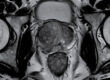
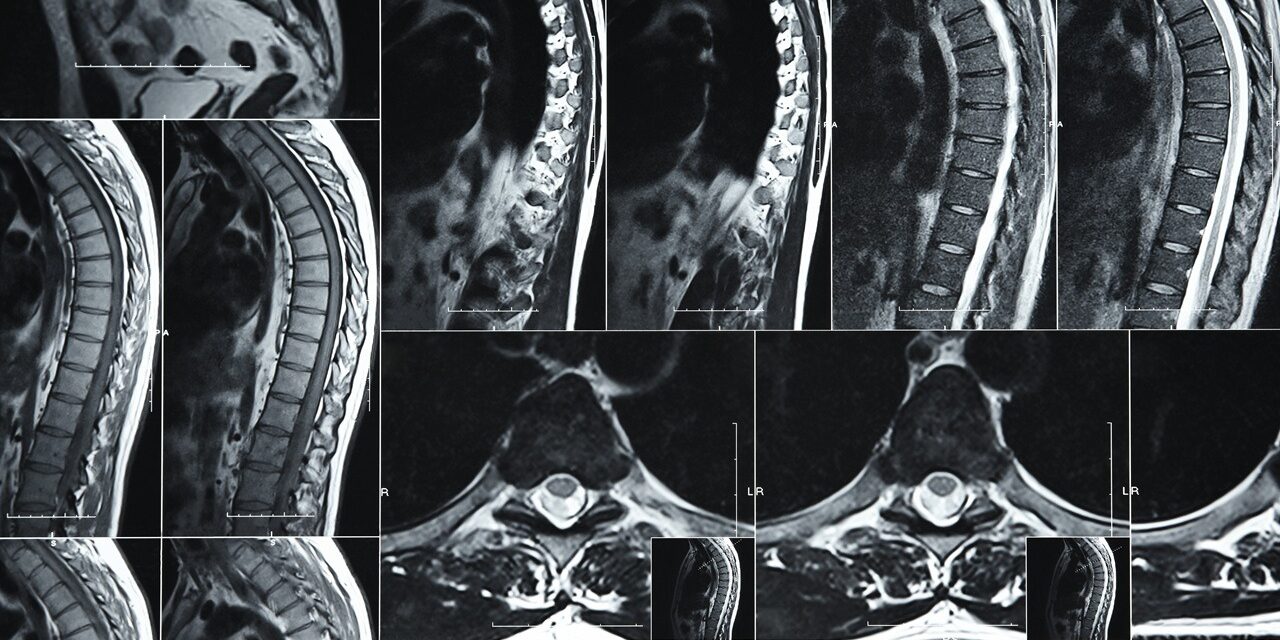
In these more complex cases, high-resolution magnetic resonance imaging (MRI) can provide physicians with detailed information about bones, muscles, tendons, ligaments, cartilage, and other structures. This additional detail can be especially valuable when symptoms persist, or earlier diagnostic tests have not provided a clear explanation.
Seeing Beyond the Bones
X-rays are extremely useful for identifying many fractures and other problems involving bones. However, an injury can involve much more than the bone itself.
MRI provides detailed visualization of soft tissues surrounding bones and joints. This can help physicians evaluate muscles, tendons, ligaments, cartilage, and other structures without exposing the patient to ionizing radiation.
For example, persistent knee pain could involve a meniscus, ligament, cartilage, tendon, or combination of structures. High-resolution imaging allows these areas to be examined in greater detail.
Identifying Subtle Sports Injuries
Sports injuries are another area where detailed imaging can be valuable. Some injuries are immediately obvious, while others produce persistent pain, weakness, swelling, or reduced mobility without a clear initial diagnosis.
MRI may help identify muscle strains, ligament injuries, tendon damage, cartilage abnormalities, stress injuries, and other musculoskeletal problems.
High-resolution imaging can be particularly useful for athletes because relatively small injuries may have a significant impact on performance. Understanding the location and extent of an injury can help physicians determine appropriate next steps.
Evaluating Complex Joint Problems
Joints contain numerous structures packed into relatively small spaces. The shoulder, knee, hip, ankle, elbow, and wrist are good examples.
A single traumatic event may also injure more than one structure. A knee injury, for instance, could potentially affect ligaments, cartilage, bone, and the meniscus.
Detailed MRI images allow radiologists to evaluate these structures individually and examine how they relate to one another. This can provide a more complete picture of complicated injuries.
Finding Injuries That Other Tests May Miss
Some musculoskeletal injuries can be difficult to detect during their early stages. Stress fractures are one example. An initial X-ray may not always show an early stress injury, while MRI can reveal changes within the bone and surrounding tissues.
MRI can also be helpful when a patient continues experiencing pain even though earlier testing was inconclusive.
This does not mean MRI is necessary for every muscle or joint injury. Rather, it provides another diagnostic option when symptoms, examination findings, or previous imaging suggest that additional detail is needed.
Supporting Treatment and Recovery Decisions
Accurate imaging can help physicians understand not only whether an injury exists, but also its location, severity, and surrounding tissue involvement.
That information may influence decisions involving physical therapy, activity restrictions, rehabilitation, specialist referrals, or surgical evaluation. Follow-up imaging may also be appropriate in certain complex cases to assess healing or investigate persistent symptoms.
For patients dealing with complicated orthopedic or sports injuries, high-resolution MRI can provide detailed anatomical information that helps physicians better understand the problem and determine the most appropriate path forward.
Kansas City Advanced Imaging
Get In. Find Out.™
At KCAI, we believe meaningful change starts with the right support, guidance, and environment. Whether you’re exploring new paths for personal growth, seeking deeper understanding, or looking for solutions tailored to your unique journey, our team is here to help you move forward with confidence.
Every step you take matters, and we’re committed to helping you make the most of it. Reach out today to learn how we can support your goals and help you create lasting, positive change.
Unlike many imaging clinics, we offer same-day and next-day MRIs–schedule yours today.