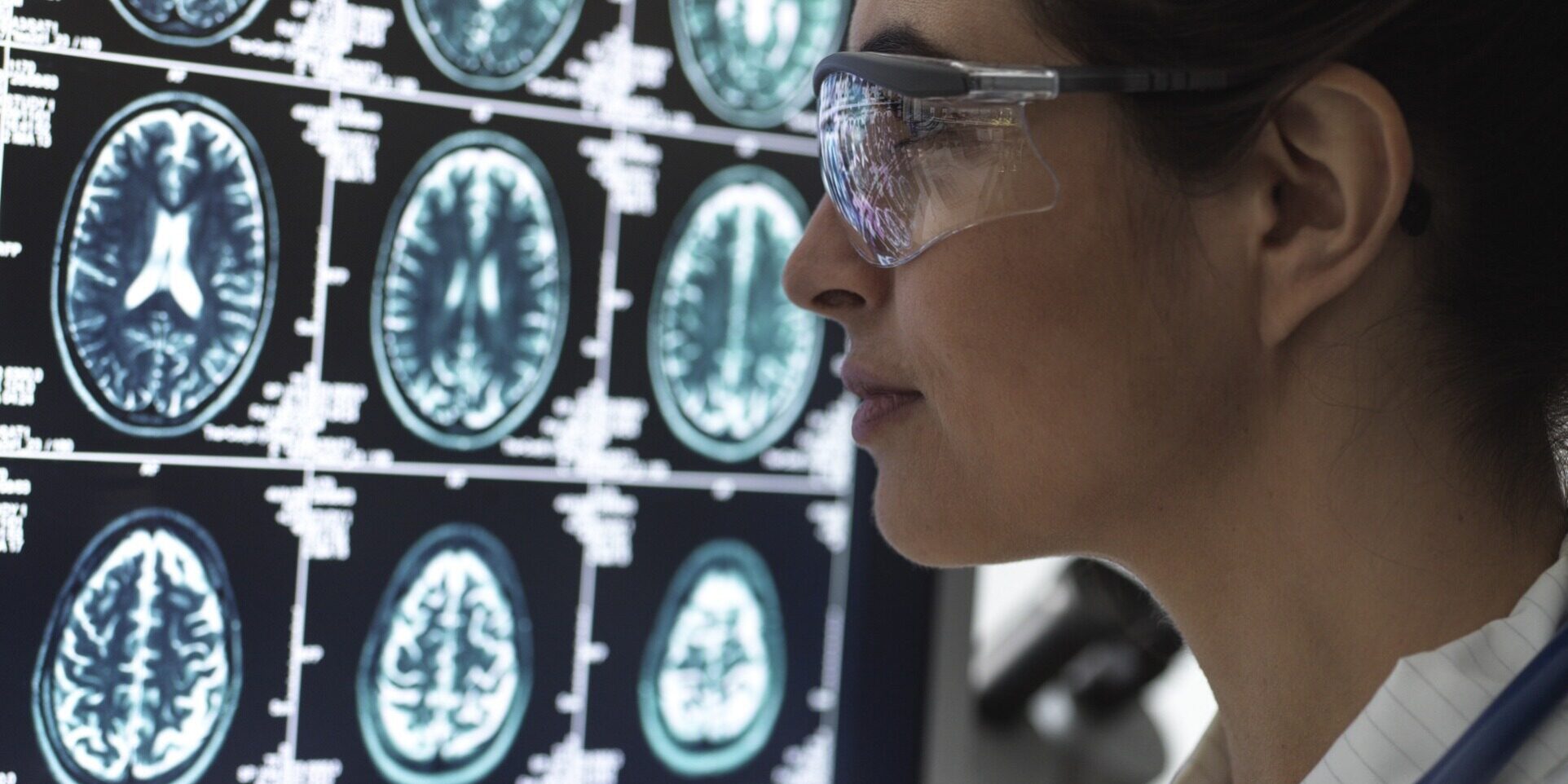
Mental health conditions affect millions of people each year, yet understanding what is happening inside the brain has historically been one of the greatest challenges in behavioral healthcare. While diagnoses such as depression, anxiety, post-traumatic stress disorder (PTSD), and bipolar disorder are primarily based on symptoms and clinical evaluations, advances in brain imaging technology are providing new insights into how these conditions affect brain function.
Brain mapping techniques, including advanced MRI and functional MRI (fMRI), allow researchers and healthcare providers to study patterns of brain activity, connectivity, and structure. Although imaging is not currently used as a standalone diagnostic tool for most mental health conditions, it is playing an increasingly important role in research, treatment planning, and understanding how the brain responds to therapy.
What Is Brain Mapping?
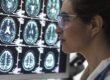
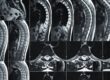
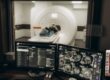
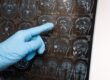
Brain mapping refers to a collection of imaging techniques used to visualize the structure and function of different regions of the brain. These technologies help identify how various areas communicate, process information, and respond to different tasks or stimuli.
Advanced imaging methods may evaluate:
- Brain structure and anatomy
- Neural pathways and connectivity
- Blood flow patterns
- Functional activity during specific tasks
- Changes associated with neurological or psychiatric conditions
By creating a detailed picture of how the brain is organized and functioning, clinicians and researchers can gain a deeper understanding of the biological factors that contribute to mental health challenges.
Understanding Functional Changes in the Brain
Many mental health conditions are associated with differences in how certain brain regions communicate with one another. Functional MRI, or fMRI, can help identify these activity patterns by measuring changes in blood flow throughout the brain.
Research has shown that conditions such as depression and anxiety may involve altered activity in regions responsible for:
- Emotional regulation
- Decision-making
- Attention and focus
- Stress response
- Memory processing
Brain mapping helps researchers observe these patterns and better understand how mental health disorders affect neural networks. This information contributes to the development of more targeted therapies and interventions.
Supporting Personalized Treatment Approaches
One of the most promising applications of brain imaging is its potential to support personalized treatment strategies.
Mental health conditions can affect individuals differently, even when they share the same diagnosis. Brain mapping may help healthcare providers better understand individual variations in brain function and identify factors that influence treatment response.
Researchers are studying how imaging data may help predict which patients are more likely to benefit from:
- Cognitive behavioral therapy
- Medication management
- Transcranial magnetic stimulation
- Neurofeedback training
- Other behavioral interventions
As research advances, imaging may play an increasing role in helping clinicians tailor treatment plans to each patient’s unique neurological profile.
Monitoring Treatment Progress
Brain imaging is also being used to study how the brain changes during successful treatment. Researchers have observed measurable improvements in brain activity and connectivity following various therapeutic interventions.
For example, imaging studies have demonstrated changes in brain regions involved in mood regulation after psychotherapy, medication treatment, and other evidence-based approaches.
These findings help validate treatment effectiveness while providing valuable insight into the brain’s remarkable ability to adapt and reorganize through a process known as neuroplasticity.
The Future of Mental Health Imaging
Brain mapping continues to expand our understanding of the relationship between brain function and mental health. While imaging is not a replacement for comprehensive clinical evaluation, it serves as a powerful tool for advancing research and improving treatment approaches.
With ongoing developments in high-resolution MRI, functional imaging, and artificial intelligence-assisted analysis, brain mapping is helping move mental healthcare toward a future that is increasingly precise, personalized, and informed by a deeper understanding of the human brain.
Kansas City Advance Imaging
Get In. Find Out.™
At KCAI, we believe meaningful change starts with the right support, guidance, and environment. Whether you’re exploring new paths for personal growth, seeking deeper understanding, or looking for solutions tailored to your unique journey, our team is here to help you move forward with confidence.
Every step you take matters, and we’re committed to helping you make the most of it. Reach out today to learn how we can support your goals and help you create lasting, positive change.
Unlike many imaging clinics, we offer same-day and next-day MRIs–schedule yours today.